
مفاجأة / البرهان يكتب في “وول ستريت جورنال”: الحقيقة حول حرب السودان
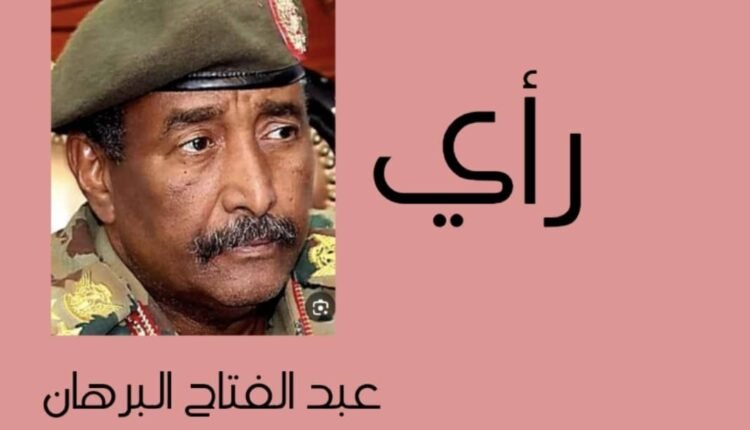
البرهان يكتب في “وول ستريت جورنال”: الحقيقة حول حرب السودان
ترجمة : سودان سوا
في مقاله المنشور بصحيفة وول ستريت جورنال، يسعى الفريق أول عبد الفتاح البرهان، رئيس مجلس السيادة الانتقالي والقائد العام للقوات المسلحة السودانية، إلى توضيح الحقيقة حول ما يجري في السودان وتصحيح الروايات المضللة التي انتشرت دوليًا. يؤكد البرهان أن السودان، الذي تعود جذور حضارته إلى مملكة كوش القديمة، يواجه اليوم تمرداً مسلحاً هو الأعنف في تاريخه الحديث. ويشير إلى أن القتال الذي اندلع في أبريل 2023 لم يكن صراعاً على السلطة، بل نتيجة مباشرة لتمرّد ميليشيا مسلّحة تمتلك سجلاً طويلاً من الفظائع، على الدولة والشعب.
يوضح البرهان أن ميليشيا الدعم السريع، التي كانت تُعرف سابقاً باسم الجنجويد، استغلت سنوات الانتقال السياسي لبناء قوة عسكرية مستقلة خارج سلطة الدولة، بمواردها وسلاحها وإدارتها الخاصة. ورغم أن الحكومة سعت في ديسمبر 2022 إلى دمج الميليشيا في القوات المسلحة بطريقة منظمة ومسؤولة للحفاظ على تماسك الدولة، إلا أن الميليشيا اختارت طريق الخيانة. فقد حشدت قواتها سرًا حول الخرطوم وعدد من المدن الكبرى، وسيطرت على مواقع استراتيجية، وهاجمت مؤسسات الدولة. هذا الانقلاب المسلح هو ما أشعل فتيل الحرب.
ويتجاوز البرهان وصف التمرّد ليبرز حجم الفظائع التي ارتكبتها الميليشيا. فقد وثّقت الأمم المتحدة ومنظمات دولية أخرى جرائم قتل جماعي، وعنفاً جنسياً، وحالة رعب واسعة ضد المدنيين. وتشير التقارير القادمة من مدينة الفاشر بعد سقوطها في أكتوبر إلى مقتل الآلاف، مع تقديرات ميدانية تفوق عشرة آلاف ضحية، وهو رقم يفوق عدة مرات عدد قتلى هجمات 11 سبتمبر، في دلالة صادمة على حجم المأساة.
ويؤكد البرهان أن ميليشيا الدعم السريع لا تعمل وحدها، بل تتلقى دعماً عسكرياً ومالياً من جهات خارجية، رغم أن الولايات المتحدة نفسها سبق أن اتهمت هذه الميليشيا بارتكاب جرائم إبادة وتطهير عرقي. ويشير إلى أن هذه الأيادي الخارجية تُطيل أمد الحرب وتعرّض السودان لخطر التحول إلى ساحة صراع لمطامع الآخرين، وهو أمر يدركه السودانيون جيداً.
ويحذر البرهان من أن تداعيات الحرب لا تهدد السودان وحده، بل تمتد إلى البحر الأحمر ومنطقة الساحل الهشة، ما يجعلها خطراً مباشراً على المصالح الأمريكية. ويستشهد بحوادث موثقة، من بينها الهجوم على موكب دبلوماسي أمريكي، ومقتل أحد حراس السفارة الأمريكية أثناء احتجازهم لدى الميليشيا، مما يكشف الطبيعة الحقيقية لهذا التمرّد وعداءه للمجتمع الدولي.
ويلفت البرهان إلى أن تصريحات وزير الخارجية الأمريكي ماركو روبيو خلال قمة السبع في كندا كانت لافتة، لأنها وصفت النزاع بدقة وحددت ميليشيا الدعم السريع بوضوح، وأشارت بصورة مباشرة إلى الأدوار الخارجية التي تغذي الحرب. وقد رأى السودانيون في ذلك خطوة مهمة نحو فهم دولي أكثر واقعية لمعاناة السودان.
كما يرحب البرهان بجهود الولايات المتحدة والمملكة العربية السعودية لتحقيق السلام العادل، مثنياً على الإشارات الإيجابية للرئيس ترامب عقب لقائه ولي العهد السعودي. لكنه يؤكد أن السلام الحقيقي يتطلب تفكيك ميليشيا الدعم السريع وإنهاء نشاط مرتزقتها، مشدداً على أن الميليشيا والمتعاونين معها لا مكان لهم في مستقبل السودان السياسي أو الأمني. ويشير إلى إمكانية دمج بعض الأفراد في الجيش الوطني، لكن وفق معايير مهنية صارمة وبعد التأكد من خلو سجلاتهم من أي جرائم.
ويوجّه البرهان رسالة واضحة إلى واشنطن والمجتمع الدولي: السودان لا يطلب صدقة، ولا دعماً لزعيم أو مجموعة، بل يطلب موقفاً يستند إلى الحقيقة. وعلى العالم أن يختار بين دولة ذات سيادة تدافع عن شعبها، وبين ميليشيا ارتكبت فظائع جماعية وتهدد استقرار المنطقة. ويؤكد أن السودان يسعى بعد الحرب ليكون شريكاً قوياً للولايات المتحدة، مساهماً في استقرار المنطقة ومكافحة الإرهاب وإعادة إعمار المدن المدمرة، وعلى أن تلعب الشركات الأمريكية دوراً محورياً في عملية البناء.
ويختتم البرهان مقاله بالتأكيد على أن السلام في السودان لا يمكن أن يتحقق بالنصر العسكري فقط، بل يجب أن يقوم على الديمقراطية وسيادة القانون وحماية حقوق المواطنين. ويجدد التزام القوات المسلحة بالانتقال المدني، الذي تعطّل بسبب الحرب لكنه لم يُهمل. ويؤكد أن السودان يقف عند مفترق طرق حاسِم، داعياً المجتمع الدولي لمواجهة الحقائق كما هي، لأن الحقيقة هي الأساس الوحيد لبناء سلام دائم.
Al-Burhan Writes in The Wall Street Journal: The Truth About Sudan’s War
An article summarizing Abdel Fattah al-Burhan’s piece in The Wall Street Journal
In his article published in The Wall Street Journal, General Abdel Fattah al-Burhan, Chairman of Sudan’s Transitional Sovereign Council and Commander-in-Chief of the Sudanese Armed Forces, sets out to clarify the truth about the war in Sudan and correct the misleading narratives that have spread internationally. Sudan, whose history extends back to the ancient Kingdom of Kush, is today facing an armed rebellion of unprecedented violence in its modern history. The fighting that began in April 2023 was not a struggle for power, but the direct result of a heavily armed militia with a long record of atrocities rebelling against the state and the people.
Al-Burhan explains that the Rapid Support Militia, formerly known as the Janjaweed, exploited the years of political transition to grow into an independent military structure outside the authority of the state, possessing its own resources, weapons, and freedom from oversight. Although the government sought in December 2022 to integrate the militia into the Sudanese Armed Forces in an orderly and responsible manner to preserve national cohesion, the militia chose treachery instead. It secretly mobilized forces around Khartoum and other major cities, seized strategic sites, and attacked state institutions. This armed coup is what ignited the war.
Al-Burhan goes beyond describing the rebellion and highlights the scale of the atrocities committed. The United Nations and several international organizations documented mass killings, sexual violence, and widespread terror inflicted on civilians. Reports from the city of El Fasher after its fall in October indicate that thousands were killed, with sources on the ground estimating more than ten thousand victims, a number many times greater than the casualties of the September 11 attacks, offering a shocking measure of what occurred.
He further emphasizes that the Rapid Support Militia does not operate alone. Foreign actors provide the militia with military and financial support, even though the United States itself has previously accused this militia of genocide and ethnic cleansing. Al-Burhan asserts that these external hands prolong the war and expose Sudan to the risk of becoming a battleground for the ambitions of others, a reality Sudanese citizens clearly understand.
Al-Burhan warns that the war does not threaten Sudan alone. Its consequences extend to the Red Sea and the fragile Sahel region, posing a direct threat to American interests. He cites documented incidents, including an attack by fighters linked to the Rapid Support Militia on a U.S. diplomatic convoy, and the death of a U.S. Embassy guard in militia custody, which reveal the true nature of this rebellion and its hostility to the international community.
Al-Burhan notes that U.S. Secretary of State Marco Rubio’s statements at the G7 Summit in Canada were striking, because they named the conflict accurately, identified the Rapid Support Militia clearly, and pointed directly to the foreign roles sustaining the war. Sudanese observers saw this clarity as an important step toward a more accurate international understanding of Sudan’s suffering.
He also welcomes the efforts of the United States and the Kingdom of Saudi Arabia to achieve a just peace and praises President Trump’s positive signals following his meeting with the Saudi Crown Prince. However, he stresses that genuine peace requires dismantling the Rapid Support Militia and ending the activities of its mercenaries. The militia and its collaborators have no place in Sudan’s political or security future. Certain individuals could be integrated into the national army, but only under strict professional standards and only if they are free of any criminal record.
Al-Burhan sends a clear message to Washington and the international community: Sudan is not asking for charity, nor for support for a particular leader or group. It is asking for a position based on truth. The world must choose between a sovereign state defending its citizens and a militia that has committed mass atrocities and threatens the stability of the region. He affirms that Sudan seeks to become a strong partner to the United States after the war, contributing to regional stability, counterterrorism, and the reconstruction of devastated cities, with American companies playing a key role in rebuilding.
He concludes his article by emphasizing that peace in Sudan cannot be achieved solely through military victory. It must rest on democracy, the rule of law, and the protection of citizens’ rights. He reiterates the Armed Forces’ commitment to the civilian transition process, which was disrupted by the war but never abandoned. Standing at a decisive crossroads, Sudan calls on international partners to confront the facts as they are, because truth is the only foundation upon which lasting peace can be built